

Thinking Like a Terrorist: What's In a Name?
Pt 1: On the mental gymnastics required to define terrorism and the terrorist

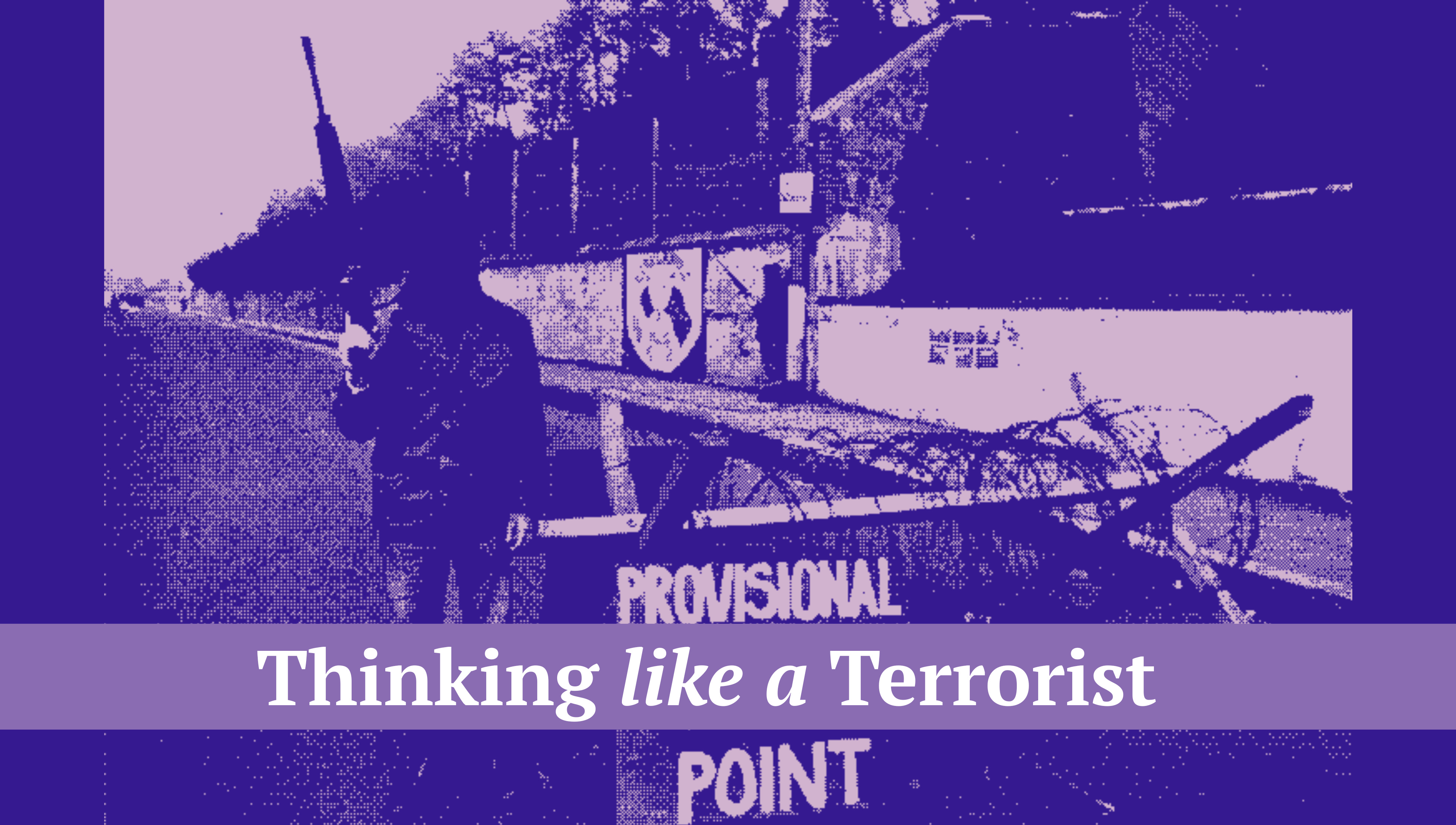
“What’s in a name? That which we call a rose/ By any other name would smell as sweet. —William Shakespeare, Romeo and Juliet
Terrorism is the cynical, remorseless enemy of peace, and it strikes most viciously whenever real progress seems possible. —Ronald Reagan
The object of terrorism is terrorism. The object of oppression is oppression. The object of torture is torture. The object of murder is murder. The object of power is power. —George Orwell
This article is the first of an 11-part series of Substack postings covering some of the nuances and complexities of terrorism in our age. You can expect to see these articles over the next few months, and, by the end, an EPUB and PDF compilation of this series will be made available to my paid subscribers here on Substack. A complete bibliography will also be offered with the compiled edition of this series, so subscribers can check my sources and see where my ideas originated.
So, let’s begin:
What exactly is this thing called terrorism?
And, probably an equally pointed question, who then is the terrorist?
In the United States, and even in Western Europe, these questions have haunted scholars, policymakers, and military strategists for the better part of three decades. Heck, the United States fought a two-decade Global War on Terror, across numerous countries, expending a great deal of blood and treasure along the way. And, if I’m being totally honest, they are questions that still grab my attention from time to time.
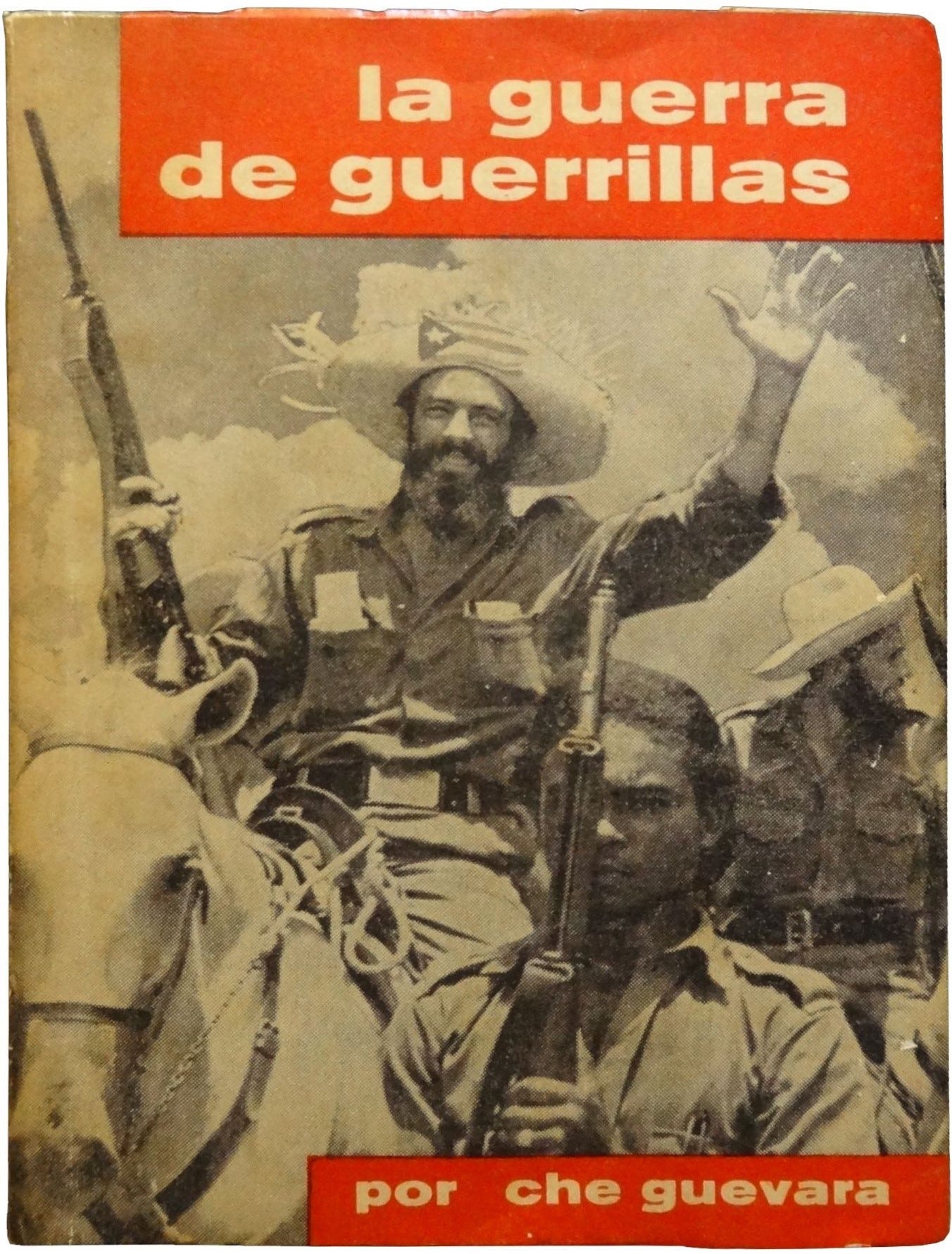
Terrorism is divided, per 18 U.S.C. §2331, into international and domestic varieties.
International terrorism, per 18 U.S.C., involves “violent acts or acts dangerous to human life that are a violation of the criminal laws of the United States or of any State, or that would be a criminal violation if committed within the jurisdiction of the United States or of any State.”
International terrorism, and, really, almost any form of terrorism, is intent on intimidating or coercing a civilian population; negatively influencing government policies; or impacting a government’s ability to conduct its affairs through the use of “mass destruction, assassination, or kidnapping.”
Domestic terrorism, under 18 U.S.C., is defined as “acts dangerous to human life that are a violation of the criminal laws of the United States,” which appear to be forms of intimidation or coercion of the civilian population; hope to negatively influence government policies; or affect the government’s ability to function and conduct its affairs by using “mass destruction, assassination, or kidnapping.”
While these legal definitions seem easy enough to grasp, they present some real problems for scholars, as the black-and-white imagery here offered by 18 U.S.C. doesn’t offer much in terms of nuance.
In 2008, Richard Jackson noted, with some exasperation, that academic research from 1990 to 1999 produced some 200 conflicting definitions for terrorism within the terrorism studies subfield. This has led, in part, to some serious questions and disbelief, which Jackson hoped to alleviate, as at the time, and beyond, there was a need to nail down a definitive, or even a working, definition of terrorism as a unique form of political violence, so that it could be systematically studied by scholars. The value of such systematic studies goes beyond the Ivory Tower, with military strategists and policymakers in places like Washington, D.C. gaining the most out of a useful definition for terrorism, in all of its nuanced and complicated varieties.
Jackson (see pp. 29–30), therefore, distilled his definition of terrorism into four (4) clear criteria:
“[T]errorism is an intentional and pre-determined strategy of political violence”;
“[T]he targets of terrorist violence are not necessarily the victims of violence, but rather the audiences to the violence”;
“[T]errorism is intended to cause fear and intimidate”; AND
“[T]errorism is aimed primarily but not solely at civilians.”
I think the most telling aspect of Jackson’s definition is the first criteria—to me the other three seem commonsensical, and I’ll explain why later in this series.
Terrorism as “an intentional and pre-determined strategy of political violence” helps us drill down into what makes terrorism terrorism.
Jeremy Black, a military historian and scholar on military strategy, defines strategy as follows:
Strategy, an overarching vision of what an organization or individual wants to achieve, coupled with a set of objectives designed to make that possible, is not the details of the plans by which goals are implemented by military means. Instead, strategy is the ways by which nations, states, rulers, élites and others seek to shape their situation, producing international and domestic systems and pursuing outcomes that provide security, and that safeguard and advance interests. (p. ix)
So, what does this have to do with terrorism?
While, to paraphrase Alfred from Christopher Nolan’s Dark Knight trilogy, some men just want to watch the world burn, others are more deliberate in their actions, and they want to make world-burning work to shape their own situations to achieve their strategic aims.
In the words of Jack Nicholson’s character in Scorsese’s film The Departed, “I don’t want to be the product of my environment. I want my environment to be the product of me.”
Political violence, through terrorist acts, has a purpose beyond the broken bodies, spilled blood, shattered glass, and twisted metal. It is all about shaping the political environment, at home, regionally, and/or abroad, to be more conducive for loftier political agendas. This applies from Islamic terrorist cells to Italian Red Brigades to drug cartels slugging it out in the streets of Mexico.
This brings me to, who then is the terrorist?
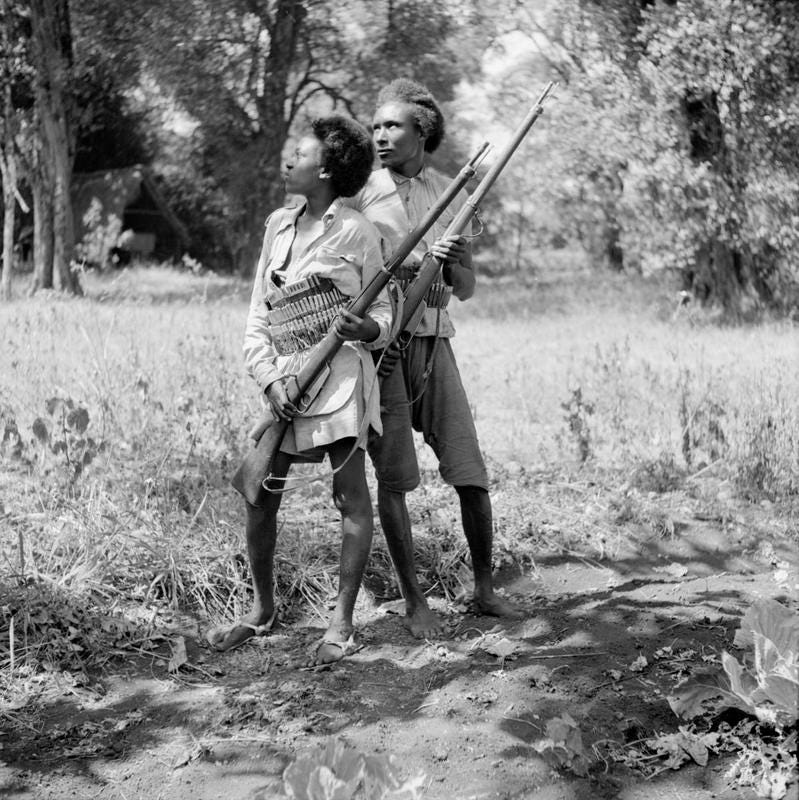
The terrorist, if we take the definitions above seriously, is someone who commits deliberate acts of violence, often in very flashy, loud, and public displays, that are meant to influence civilian populations and even governments into acting a certain way that aligns with an individual’s or group’s strategic vision.
But there’s a problem with all of these definitions, though: Where does the legitimate use of violence come into effect here? In a total war sense of violence, violence here could target civilian populations in order to intimidate or coerce them into acting in a certain way (see Hugh Bicheno’s definition). Legitimate violence can also be used to disrupt the everyday machinations of the government—just look at Operation Epic Fury (c. 2026).
So, where does terrorism begin and end? And where does the legitimate use of force begin and end?
Well, in a sense, it is in the eye of the beholder.
To those who lost family members to Coalition Forces in Iraq and Afghanistan, the Coalition soldiers might be viewed as terrorists. To the poor grunt on the receiving end of an IED or car bomb, the ones pulling the trigger, so to speak, might be the terrorists themselves.
While there is plenty of room for debate on this subject, I am going to make an executive decision here and now and write the following: Terrorism is an illegitimate use of force against civilian populations and governments, meant to intimidate or coerce in order to secure a certain overarching vision a terrorist hopes to achieve.
One of the biggest problems for this article series has been knowing when to cut, when to zoom out, and when to zoom in. Terrorism, like any -ism, is incredibly complex and nuanced. It is colored by those who act as terrorists and those who counter such violent actors. This article series is broken up into eleven (11) parts. Each part, with the exception of the first and last installments, focuses on certain trends and terrorist groups (or, sometimes, individual terrorists) to better understand this thing called terrorism and those we call terrorists.
Terrorism and terrorists are as old as humanity. Humans have used deliberate forms of political violence for millennia. However, covering such a huge swath of human history would be burdensome and pointless for this short series of articles. For our purposes, we are going to focus on the last two hundred or so years. Terrorism, as I will handle it in this series of articles, has its origins in the 1800s. It is during the nineteenth century when technology, ideology, colonialism, and the evolving nature of violence build the monster that haunts us now. Terrorism, as seen during the last two hundred years, can be revolutionary or reactionary in nature. Terrorism can be the product of madness, and it can be part of a cold, biting political calculus.
This isn’t meant to be read as a playbook for future terrorists—sorry, bad guys. This isn’t going to be a sympathetic account of terrorists and their actions either, as I don’t want to be read like Mike Davis, who wrote Buda’s Wagon (see bibliography for details), a short history on car bombs, and who wrote with a decidedly sympathetic tone toward terrorists of all kinds.
While I, personally, have seen the violent hand of terrorism up close, and I have even helped retire my fair share of terrorists, I will try to keep this from devolving into a personal crusade against the so-called bad guys here. Instead, as the title of this article series suggests, this is about learning from terrorists, so we can better understand why they exist, what they do, and why this all matters, nearly three decades after 9/11.
So, what does this thing look like?
Below, you will find the remaining parts that will be released on Wednesdays (or Saturdays) over the next few months. The first two (2) parts of this article series will be made available to all subscribers. However, Part 3 onward will only be available to paid subscribers, as will the EPUB and PDF compilations of this article series.
Part 2 – Blood of My Children: Explores the nineteenth and early twentieth century roots of terrorism, focusing specifically on the United States. This section also examines new technological and ideological developments that ushered forth violent acts of terrorism during the time covered.
Part 3 – The Armalite & the Ballot Box: Discusses the Provisional IRA and the tensions found within this organization in its attempts to fight on behalf of the Irish people. I also explore the US link to Irish terrorism through IRA fundraising in the United States.
Part 4 – Terrorism Has Its Moment: This installment explores the 1960s–1970s airline hijackings, the Munich Incident (1972), the PLO, and Black September, along with some asides into the Yom Kippur War, the Oil Embargo, and a changing political environment in the Middle East and North Africa.
Part 5 – The Red Brigades: In this installment, I explore the Italian Red Brigades (Brigate Rosse) and their impact on Italy, along with leftist terrorism during the Cold War.
Part 6 – Enter the Party of God: Here I explore Hezbollah (Hizballah) and its linkages to the Iranian Revolution (1978–79), the Shi’a doctrine of Quietism, Islamic political activism, and the messy legacy of French colonialism in Syria and Lebanon. This section also discusses, in part, Israeli and Jewish terrorism—which is often brought up by the detractors of Israel.
Part 7 – The Jihad Franchises: This installment tracks both Al Qaeda and ISIS (and others) as global jihadist movements, with their various “franchises” found throughout the Middle East, Africa, and Central and South Asia.
Part 8 – Dead-End Street: What happens when terrorism fails? This installment explores the limits to terrorist violence in Spain (ETA) and Northern Ireland (Provisional IRA).
Part 9 – The Rise of Terrorist States: This is where I explore those terrorist organizations that have fashioned together states or quasi-states (think ISIS and the Taliban, among others).
Part 10 – Citizens Sovereign, Madmen, & Lone Wolves: This installment has me exploring the nature of domestic terrorism in the US (and elsewhere), the evolving nature of extremist thinking and violence, and the future of counter-terrorism at home and abroad.
Part 11 – Conclusion: I end the series with this installment, which allows me to collect my thoughts, in one place, about terrorism, terrorists, and counter-terrorism.
If you have questions or comments, as they pertain to this series, feel free to e-mail me at info@ryanmcbeth.com or use the comments section below.
And, as always, thanks for reading!
Thanks for this, Ryan I've subscribed as a result. I was interested in the point that the targets of terrorism are less the victims, but that the real targets are those that witness it.
I do safety analysis for my Jewish community, in the face of recent pro-Hamas propaganda and provocations in North America. I've come to realize that while many in our community perceive the threats as threats of violence, I've come to recognize that the goal of these agitators and influencers isn't necessarily violence, but intimidation. Violence would be met with swift enforcement, and sympathy for victims, but “intimidation” tactics cause harm for targets while leavong room for equivocation: phony ‘free speech’ arguments, excuses not to enforce existing laws, or the minimization of victims’ harm. Coupled with propaganda campaigns that have been uncannily successful at withering public and institutional support for our community.
Bader Meinhoff gang murdered an Airforce general. Any ideas on how and why?